
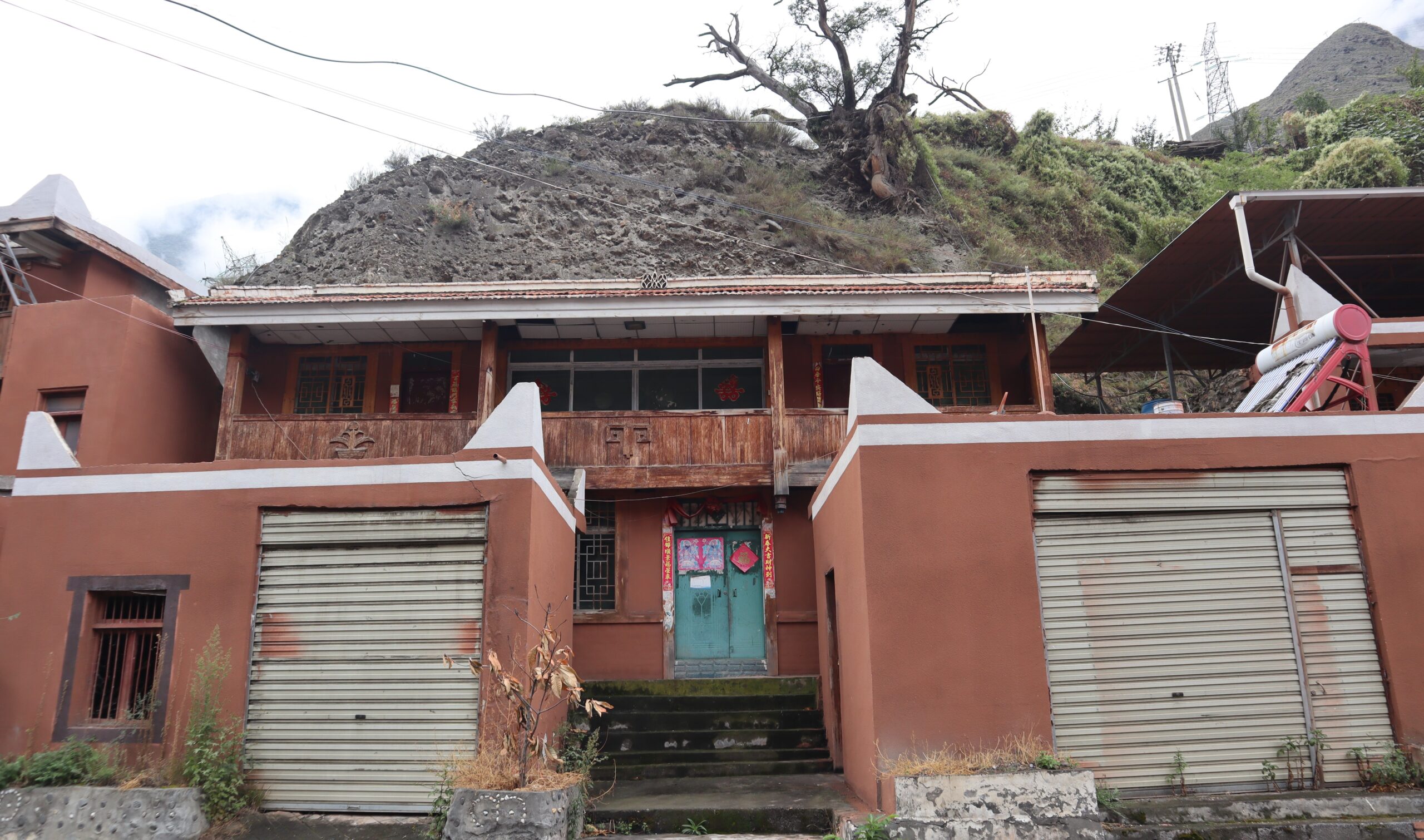
Wadi (洼底) is another town that, at least according to a map and my short visit, is something of a midpoint destination. My guess would be most people taking this road are on the way to Chibusu (赤不苏), which is what I did, or passing the county border into Heishuixian (黑水县), Maoxian’s northwest neighbor. Regardless, Wadi is still one of the eleven official towns of Maoxian. On the visitor’s map, it is relegated to being a small dot without any distinguishing features other than its proximity to more noteworthy sites. Very close by are two other towns, Chibusu as mentioned prior, and Shaba (沙坝) — both places with much to show. But those are for another time.
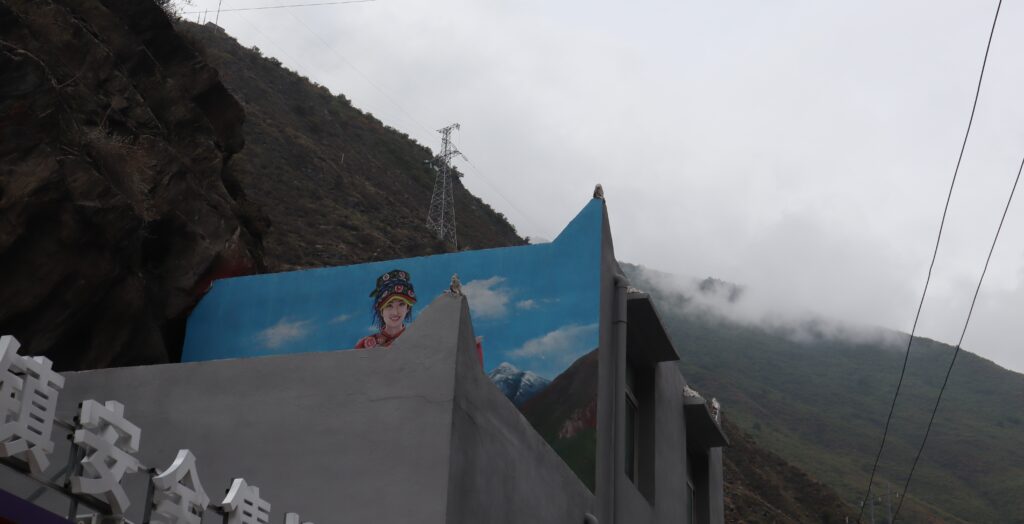
As with other overlooked towns, I have a strong feeling that much of Wadi’s spectacle and spirit is concealed by the mountains and a lack of clear, accessible routes. So, I snap the photos where I can, then move on. Perhaps another day I’ll have a better plan, and more time, for Wadi. Still, documentation is crucial!
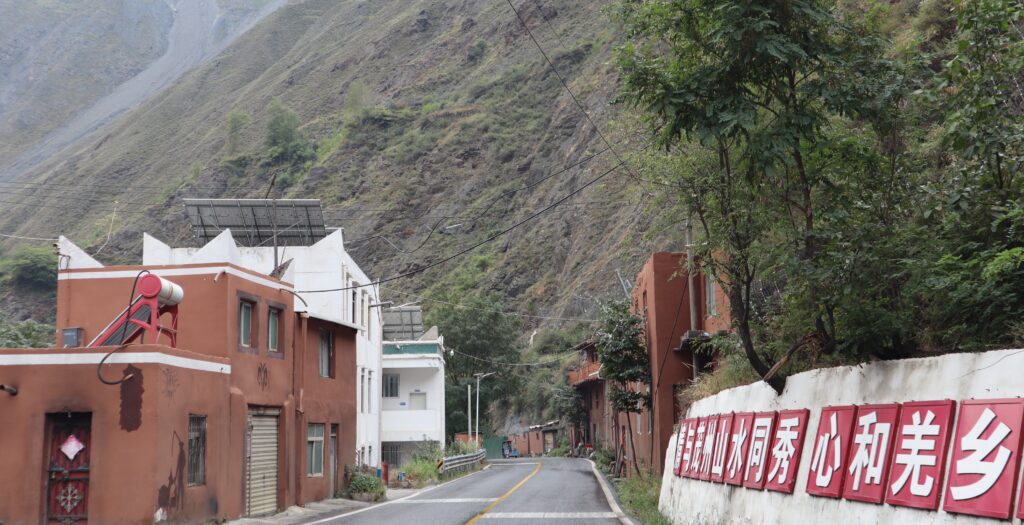
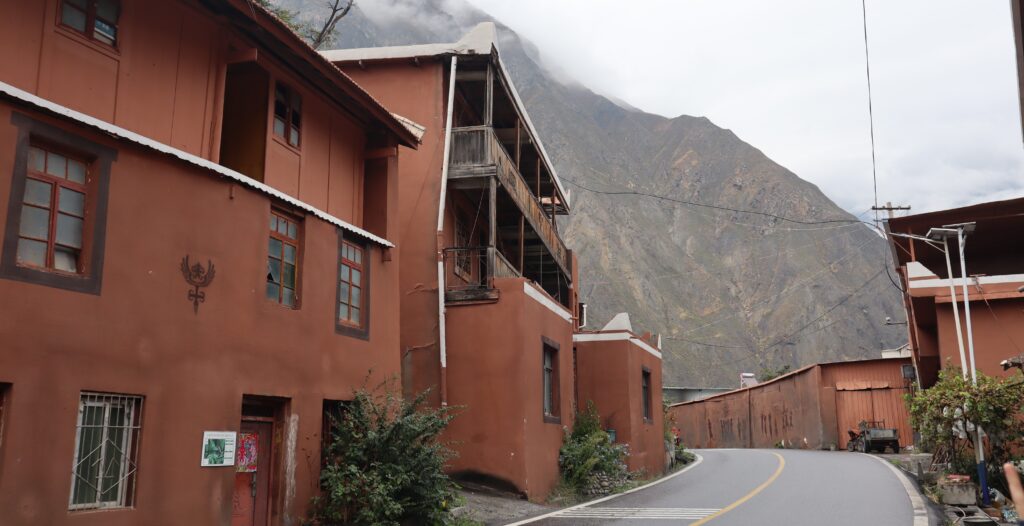
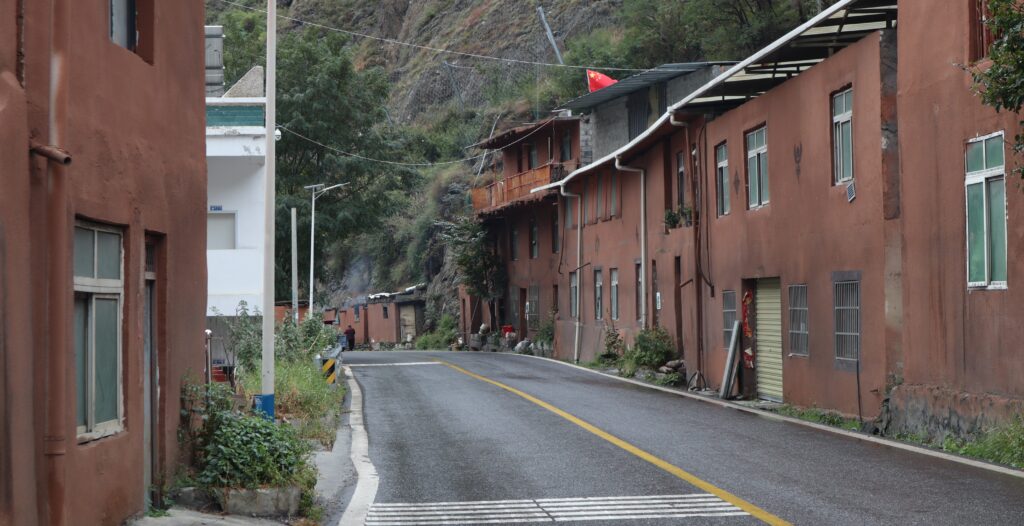
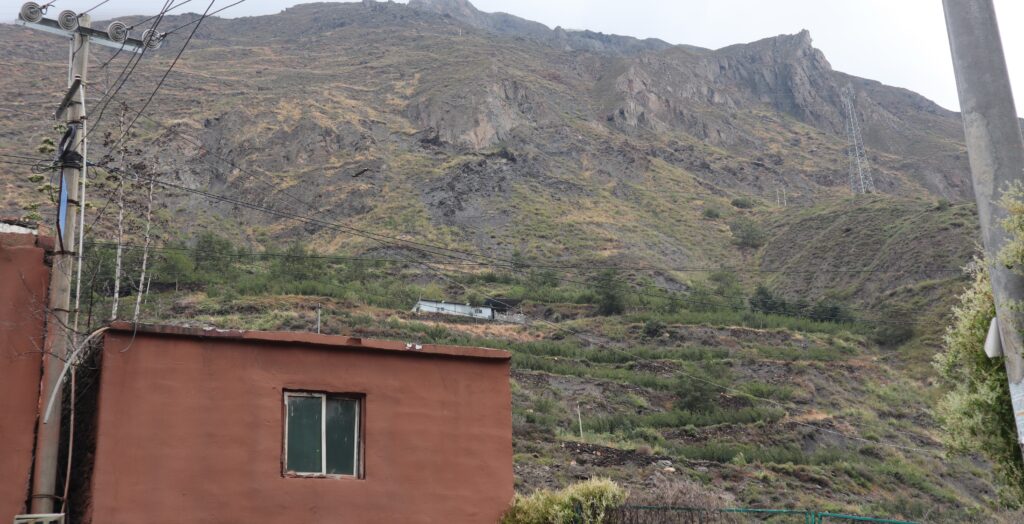
The area of the town which I passed through was without activity. Just buildings, damp road, and gray sky. At first glance, the buildings have a noticeable sameness. The clay color of these buildings is common throughout Maoxian, for the record. Often paired with white accents, pastel symbols. It’s a typical type of Qiang architectural theme. It’s the cultural prototype on repeat. This location might be guilty of just a slight excess of uniformity, in my opinion. As if there was a memo to everyone that all the buildings had to be this way. But…
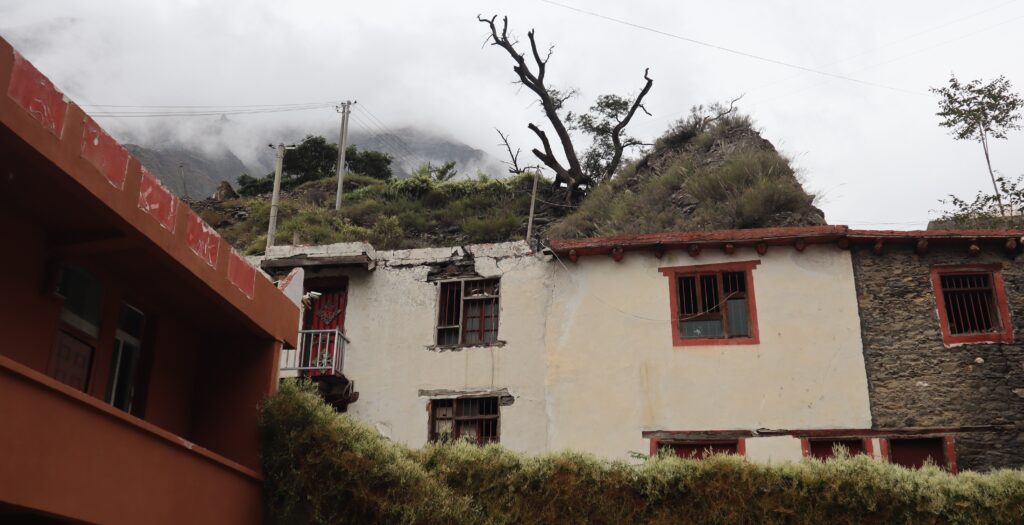
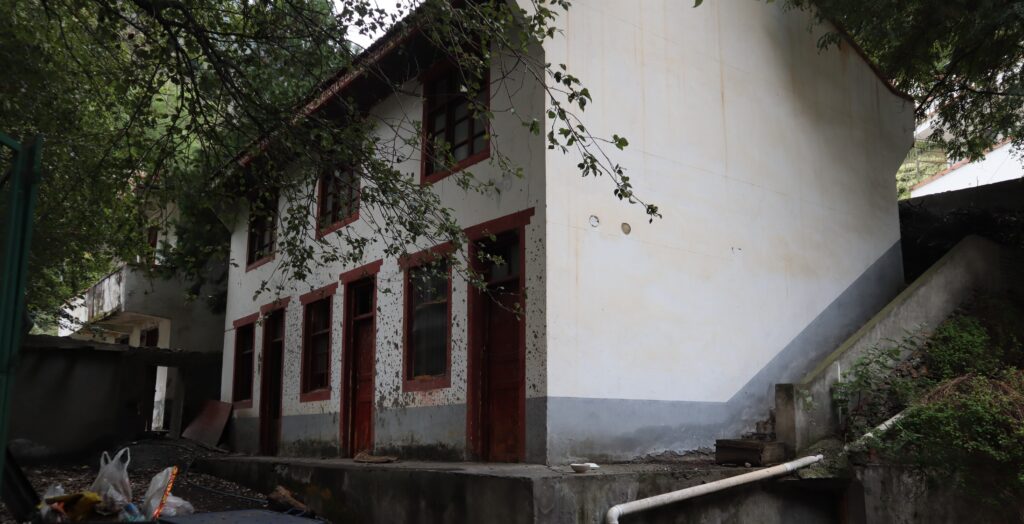
Looking just a little bit more closely, as if buried behind the first row of clay-colored greeting buildings, is that (also very common) building design that pervades China’s neighborhoods- rural and urban both. That “not really modern anymore, but kind of still standard” style. Simple plain color and shape, nearly featureless, seemingly pragmatic. To say nothing of the quality of the materials used.
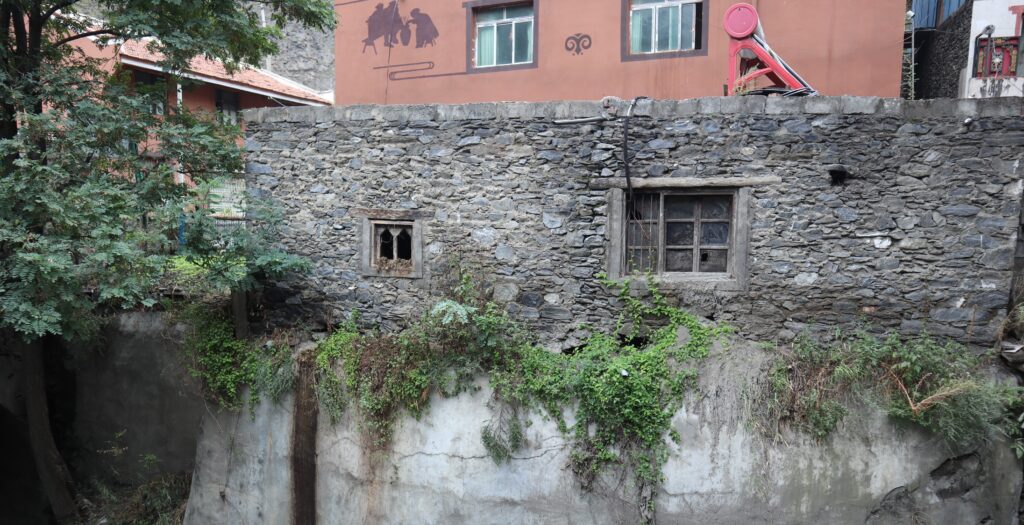
Then, there’s also the stone (granite, I think but not certain) type. There isn’t much of it to be observed here, and it is more of underlying foundation now. Still, the stone just looks tough and mysterious, even in old age. I consider the style to be the more dignified Qiang type. I speculate that it was not so long ago when it was the sensible, maybe even optimal, choice for the mountains.
We didn’t encounter anyone. While I am certain that nothing, in plain view at least, was fully abandoned, the structures all feel like they are only at partial occupancy. While that clay-colored paint looks fresh in places, I’m thinking this place has seen better days. But there are always streets we miss.
Leave a Reply